
What is Micro Cheating?
I know how confusing micro cheating can feel, because I've lived through the kind of betrayal that looked small before it looked obvious.
It wasn't one dramatic moment. It was a string of quiet choices that crossed trust lines and left me feeling lonely while still in the relationship.
That's what micro cheating is: small acts that feed secrecy, flirtation, or emotional closeness outside the relationship without becoming full physical cheating. These habits often happen through phones, DMs, and work friendships, so they can hide in plain sight.
If something has felt off for a while, this is where you start naming it clearly.

Why micro cheating hurts
People often wave off micro cheating because there was "nothing serious" or "nothing physical." Still, that defense can sting more than the act itself. When someone hides contact, protects a connection, or gives private emotional energy to another person that actually belongs to you, the wound is real.
Recent relationship coverage, including Vogue's look at how micro-cheating shows up, points to the same truth many women already know in their gut. The damage often comes from secrecy, defensiveness, and emotional drift. It's the feeling that your relationship is being slowly edited without your consent.
It is not always about sex - It is about where attention and honesty go.
Friendly behavior doesn't usually need hiding. Healthy friendships don't thrive in deleted chats, tilted screens, or private validation loops. What hurts is where the attention goes first. What hurts is who gets the tenderness, the jokes, the late-night honesty. When that starts happening outside the relationship, intimacy gets rerouted. Quietly, then repeatedly.
If a connection has to be hidden to survive, it probably isn't harmless.

The Habits That Happen Before
Your Eyes
That's the cruelty of the small habits is that they don't announce themselves. They don't arrive with the dramatic weight of a decision you can point to and say, " There — that's where things changed." Instead, they accumulate in the margins of ordinary days.
The phone is checked before your feet hit the floor. The meal was eaten standing over the sink. The conversation you keep meaning to have but defer again, always for a good reason, always until later.
None of it feels like a pattern while it's forming. It just feels like a Tuesday, but what makes these habits so difficult to address isn't their size. It's their invisibility.
Think of it this way - water that gets in through a crack can be stopped. Not by ignoring the crack. Not by mopping more diligently, but by finding the small, specific place where outside and inside got confused — and sealing it, carefully, before the next rain comes.
Secret messaging that gets deleted, hidden, or brushed off.
Maybe it's texting, Snapchat, Instagram DMs, or a private app chat that disappears. The issue is not only the message itself. The issue is the effort to hide it, then dismiss your concern as if it means nothing. If chats keep getting deleted or explained away with a laugh, pay attention. Secrecy usually tells the story before the words do.
Phone behavior changes overnight
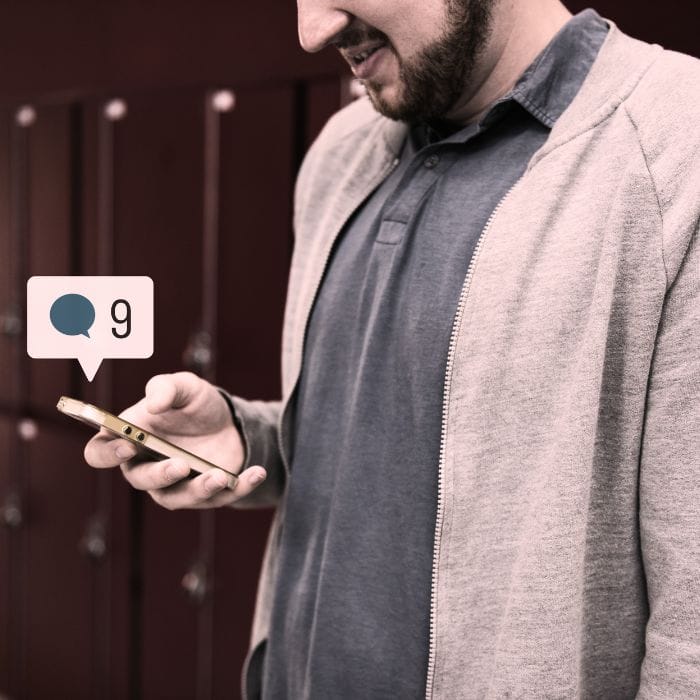
A phone placed face down once means little. A phone guarded like a locked diary is different. Password changes, muted notifications, sudden app privacy, and a jumpy reaction to every buzz can all point to a hidden contact. By itself, one change may mean stress. However, a cluster of changes often means someone is protecting access, not privacy.
An ex starts getting too much attention online
A “like” here, a story reply there, a "just checking in" that he probably told himself meant nothing. However, I have learned that repeated small gestures across a digital thread have a way of quietly reactivating something that was supposed to be over. It rarely looks like anything at first. That's exactly what makes it so hard to name, and even harder to confront.
Dr. Sheri Meyers, a licensed marriage and family therapist and author of Chatting or Cheating, describes micro cheating as leaving a back door unlocked — just enough contact to preserve an emotional option outside the relationship.
Probably the part that hurts most is that micro-cheating is not dramatic enough to point to, but it's constant enough to feel. He's created a soft landing place outside of the relationship, and you’re left trying to explain why something that "doesn't count" has quietly changed everything.
You’re not overreacting. The research says so - Your instincts say so!
Flirty jokes with a friend or coworker that cross a line
This one often hides behind humor. Pet names, inside jokes, lingering compliments - That playful tension that feels "innocent" until you imagine it happening right in front of you. Work closeness can grow fast because daily contact builds comfort. Then comfort turns into private chemistry. If the energy feels disrespectful in the open, it's already crossed a line.
Sharing emotional problems with someone else first
This habit can cut deep because it steals intimacy from home. When your partner vents to someone else first, seeks comfort there, and saves the deeper honesty for another person, a private bond starts forming.
Oftentimes, what develops from it was not intentional; however, it is most definitely avoidable. Physical cheating doesn't have to happen for betrayal to take root.
Emotional intimacy is powerful! It creates closeness, loyalty, and attachment, sometimes long before anyone says the word "affair."
Getting defensive over simple questions
When you ask about a shift and get snapped at, mocked, or told you're "crazy," that matters! Strong defensiveness over basic questions often means there's something to protect. I've learned this the hard way. A respectful person may feel annoyed sometimes, but they don't need to make you doubt your sanity to avoid the truth.
How to respond to micro cheating
without doubting yourself
If you've been cheated on before, small red flags can make you question everything, including your own judgment. Even so, your job is not to prove a case like a detective. Your job is to notice what repeats.
Micro cheating becomes easier to see when you stop chasing excuses and start watching patterns. The deeper issue is rarely one message or one joke. It's the growing habit of secrecy, emotional distance, and protected closeness with someone else.
If you need language for that broader pattern, this piece on how emotional cheating erodes trust and bonds can help put words around what you're feeling.
Look for patterns instead of one isolated moment
One awkward exchange may be nothing. A repeated cycle is different. Watch for consistency, not promises. Notice whether the same person keeps coming up, whether the same defensiveness returns, and whether your partner seems less emotionally available at home. You don't need one giant smoking gun. A pattern is often the proof.
Say what feels off, then set a clear boundary
Name the behavior plainly. Keep it calm. Say what feels off, what you've noticed, and what needs to change if trust is going to be rebuilt. That boundary might involve no deleted chats, no private contact with an ex, or no emotionally intimate friendships that live in secrecy.
If someone cares about repair, they won't only defend their intent, they'll change their behavior. You can also compare your experience with other common signs of micro-cheating when you need help separating fear from fact.
Small habits can break big trust.
Micro cheating matters because it chips away at safety a little at a time. That's why it can feel so maddening. The harm grows in the quiet. If something feels off again and again, give that feeling your full attention!
Trust is built in small choices, and it's broken the same way. You are not too sensitive for noticing when love starts moving in the wrong direction.